Introduction
Personalized neuromodulation based on brain network asymmetry is opening a new window for the treatment of Parkinson's disease. The team led by Researcher Xiangzhen Kong at Zhejiang University's State Key Laboratory of Brain-Machine Intelligence has found that the left-right asymmetry of motor impairment in Parkinson's patients is specifically linked to intrinsic brain network organization and the targeted site of deep brain stimulation. By integrating functional magnetic resonance imaging (fMRI) with clinical scale assessments, the study provides new neuroimaging evidence to optimize brain-machine modulation strategies.
In a recent paper published in Molecular Psychiatry, the team of Researcher Xiangzhen Kongand collaborators reported their findings in the article Pallidal and subthalamic stimulations modulate inter-hemispheric interaction and asymmetry in Parkinson's disease. Combining deep brain stimulation (DBS), clinical scale evaluations, and functional magnetic resonance imaging (fMRI), the study uncovers the differential regulatory effects of DBS at two commonly used targets on motor asymmetry and hemispheric organization, providing new neuroimaging evidence for understanding the mechanisms of DBS and refining clinical treatment strategies.

Patients with Parkinson's disease frequently exhibit pronounced left-right asymmetry in motor impairment, yet the underlying neural mechanisms have long remained poorly understood. This study focuses on the two most commonly used DBS targets — the globus pallidus internus (GPi) and the subthalamic nucleus (STN) — and systematically compares, in 55 patients receiving bilateral DBS therapy, how stimulation at these two sites affects motor symptom improvement, the modulation of motor asymmetry, and hemispheric integration and segregation.
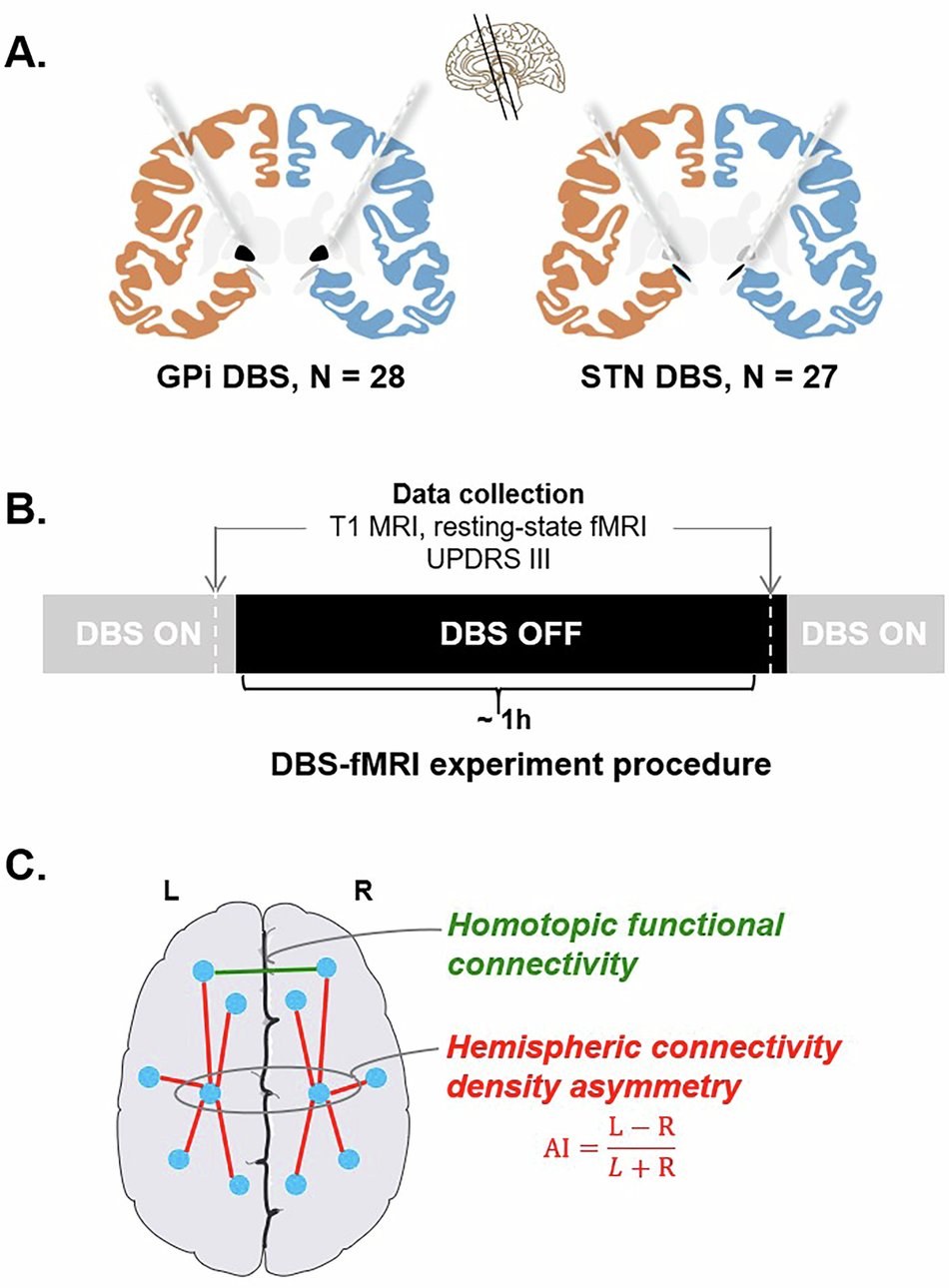
Figure 1. Overview of the study design and methods.
The results reveal that both GPi-DBS and STN-DBS significantly improve overall motor function. However, in terms of modulating motor asymmetry, the two targets exhibited distinct, target- and direction-dependent patterns: STN-DBS primarily alleviated behavioral manifestations in patients with left-side-dominant motor deficits, whereas GPi-DBS proved more effective in those with right-side-dominant impairment. Despite these contrasting patterns, both types of stimulation ultimately led to a more symmetric motor profile.
Further analysis showed that motor improvement extended beyond conventional motor network modulation. The motor gains at the individual level were closely associated with changes in homotopic functional connectivity in the lateral occipital cortex, a region that largely overlaps with the extrastriate body area (EBA). These findings suggest that visual cortical networks may contribute to post-DBS motor recovery through compensatory mechanisms, thereby broadening the understanding of the neural basis underlying “motor improvement.”
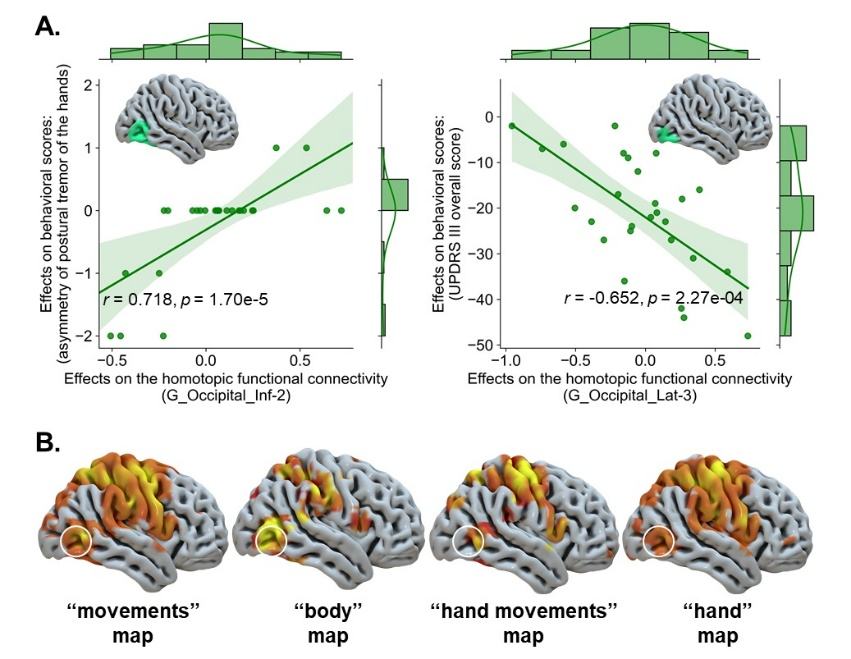
Figure 2. Motor function-related DBS effects.
In addition, large-scale functional decoding analyses revealed that, while GPi-DBS and STN-DBS share highly consistent effects on motor-related functions, they exhibit some target-specificity in non-motor domains: GPi-DBS tends to be more associated with visual attention and the default mode network, whereas STN-DBS is more involved in auditory processing, working memory, and cognitive control. This finding offers new clues toward explaining the differentiated cognitive and behavioral effects of DBS at different targets.
The study also highlights substantial between-individual heterogeneity in DBS effects, indicating that the pre-existing pattern of motor asymmetry and the organizational features of the cerebral hemispheres may be important factors influencing stimulation outcomes. These findings are poised to promote more refined and personalized DBS target selection and treatment decisions, though further validation in larger samples is still needed. Looking ahead, leveraging multi-center collaborative platforms such as ENIGMA and integrating multimodal imaging and electrophysiological data will help to further dissect the mechanisms through which DBS modulates brain networks and hemispheric lateralization, and will provide a new theoretical foundation for developing non-invasive neuromodulation approaches.
Siyuan Mei, a 2018 undergraduate from the Department of Psychology and Behavioral Sciences at Zhejiang University and currently a PhD student at the University of Munich, is the first author of the paper. Naying He from the Department of Radiology at Ruijin Hospital, Shanghai Jiao Tong University, is the co-first author. Researcher Xiangzhen Kong from the State Key Laboratory of Brain-Machine Intelligence and the Department of Psychology and Behavioral Sciences at Zhejiang University, Researcher Chencheng Zhang from Shanghai Jiao Tong University, and Researcher Yi Pu from East China Normal University are the co-corresponding authors.
This research was supported by the National Key R&D Program of China, the National Natural Science Foundation of China, and the Fundamental Research Funds for the Central Universities, among others.
Original article link: https://doi.org/10.1038/s41380-026-03557-9