Recently, two flagship international academic conferences in the field of geometric modeling and simulation—the 2025 Symposium on Solid and Physical Modeling (SPM 2025) and the 2025 Shape Modeling International (SMI 2025)—were grandly held in Hangzhou. The SPM 2025 conference was hosted by the Zhejiang University College of Computer Science and Technology and the State Key Laboratory of Computer-Aided Design and Computer Graphics. This marks the conference's return to the Chinese mainland after 18 years, following its 2007 session at Tsinghua University. SPM is a premier international academic event in the fields of industrial software such as Computer-Aided Design (CAD), Computer-Aided Engineering (CAE), and Computer-Aided Manufacturing (CAM), serving as the most influential academic exchange platform in this domain.
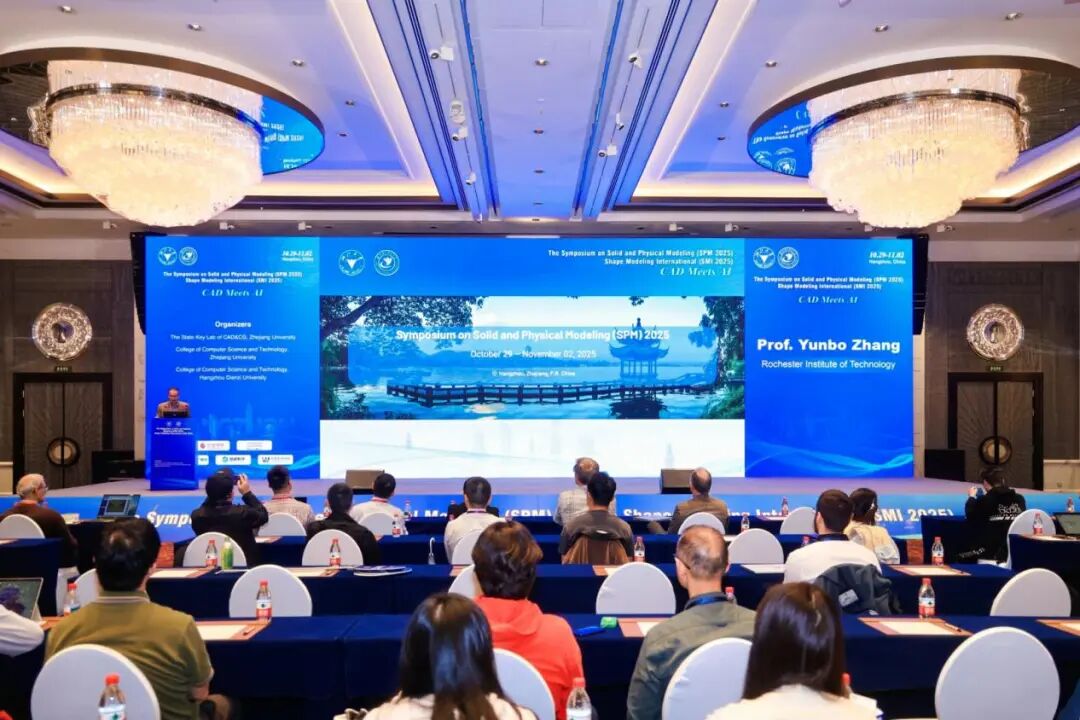
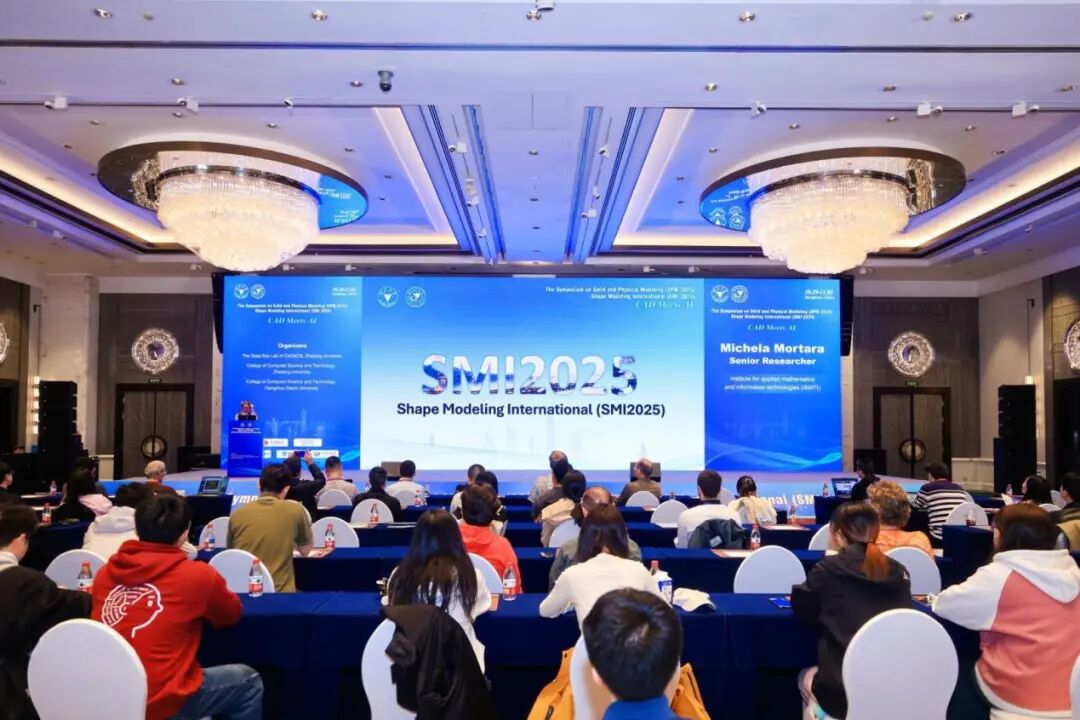
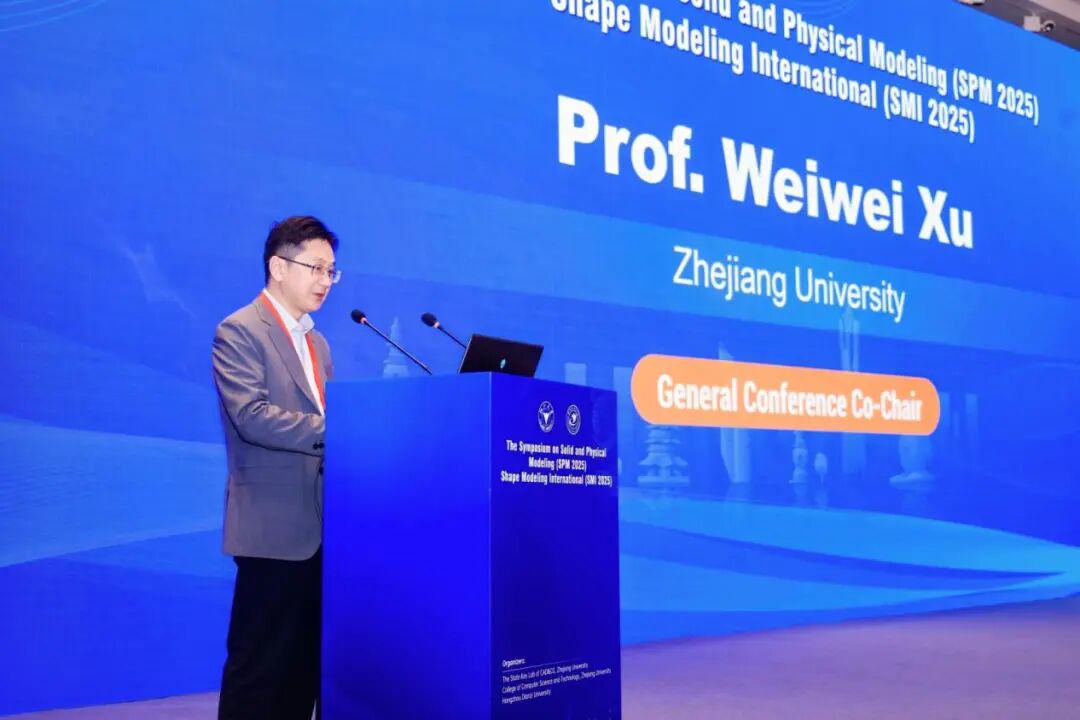
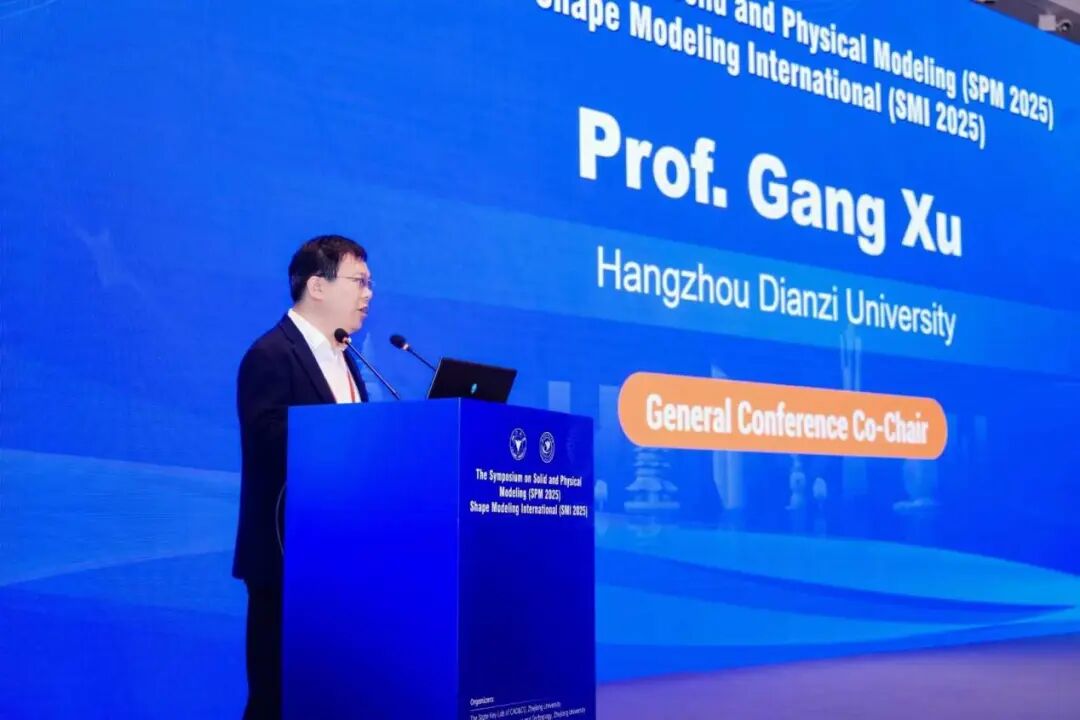
The conference was chaired by Professor Xu Weiwei, Vice Dean of the Zhejiang University College of Computer Science and Technology; Professor Xu Gang, Vice Dean of the School of Computer Science at Hangzhou Dianzi University; and Professor Georges-Pierre Bonneau from Université Grenoble Alpes, France. Researcher Zou Qiang from Zhejiang University and Associate Professor Xu Jinlan from Hangzhou Dianzi University served as the Conference Co-Chairs. The event brought together nearly 250 experts, scholars, and industry professionals from around the globe, including approximately 30 international peers, to discuss cutting-edge advancements and future directions in geometric modeling and physical simulation.
The conference received over 170 paper submissions from around the world. Following a rigorous international peer review process, 45 high-quality papers were accepted. These papers cover research areas including geometric modeling, surface reconstruction, physics-based simulation, multiphysics coupling computation, reverse engineering, digital twins, and intelligent design, fully showcasing the latest scientific achievements and technological breakthroughs in the global CAD/CAE field.
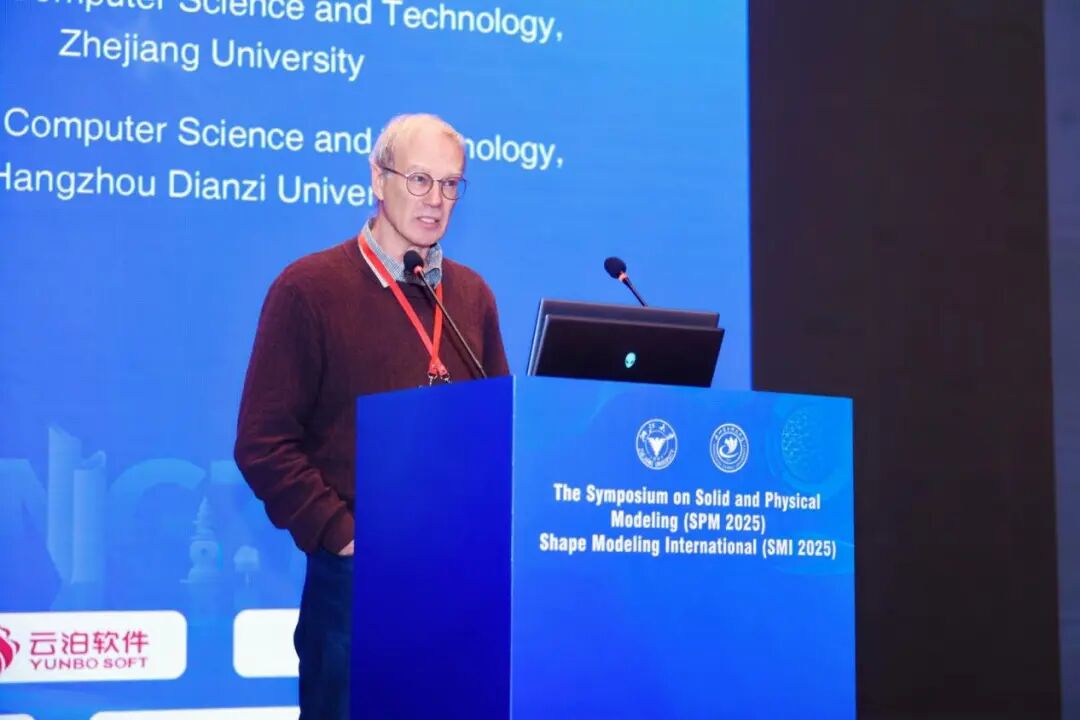
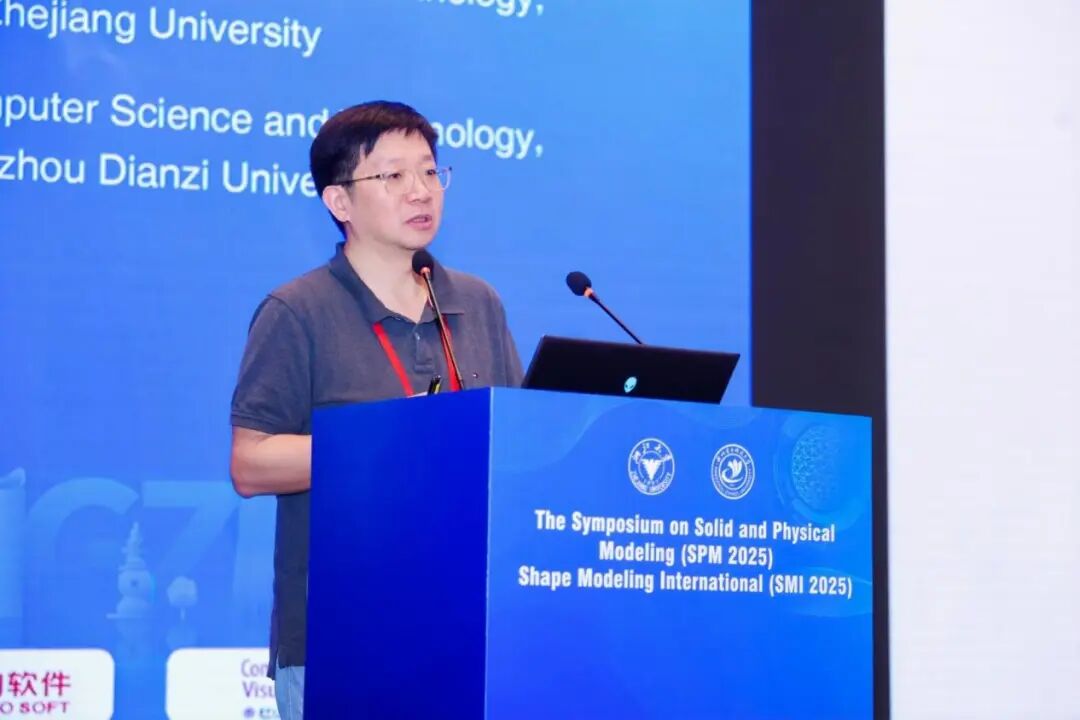
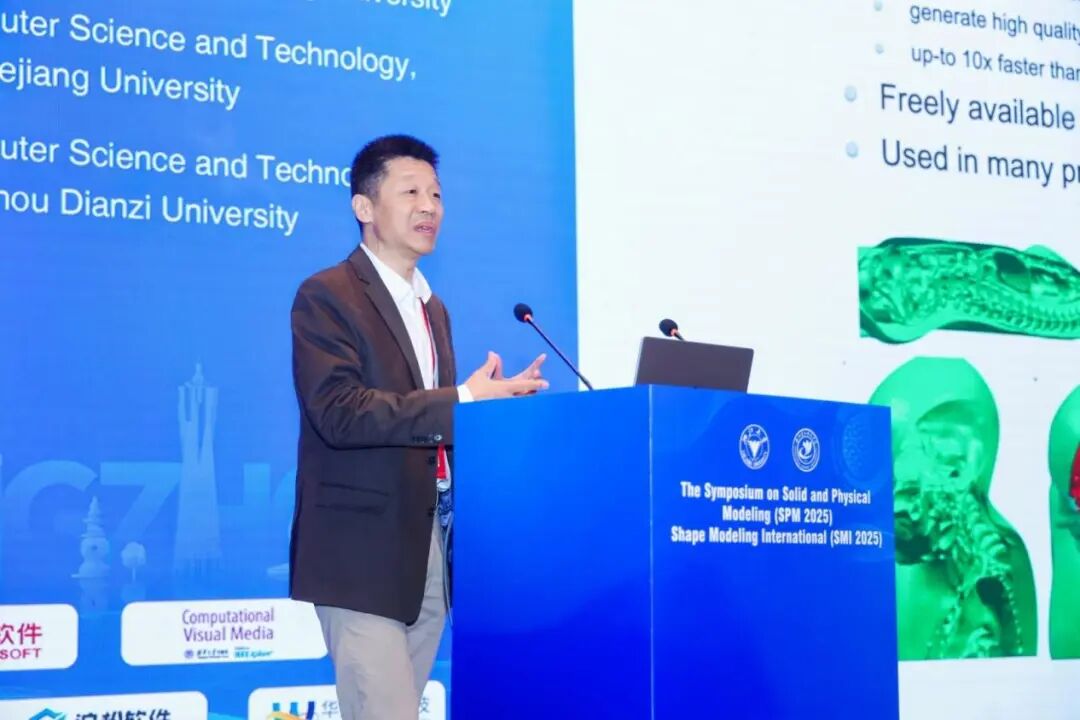
The conference featured keynote speeches by three internationally renowned scholars: Professor Gershon Elber from the Technion – Israel Institute of Technology, Professor Charlie C. L. Wang from The University of Manchester, UK, and Professor Hang Si from Dalian University of Technology. They delivered insightful presentations on new paradigms for solid modeling in CAD, integrated design and manufacturing, and robust mesh generation, respectively. Their reports, valued for both theoretical depth and industrial application, were highly praised by attendees and sparked lively discussions and interactions.
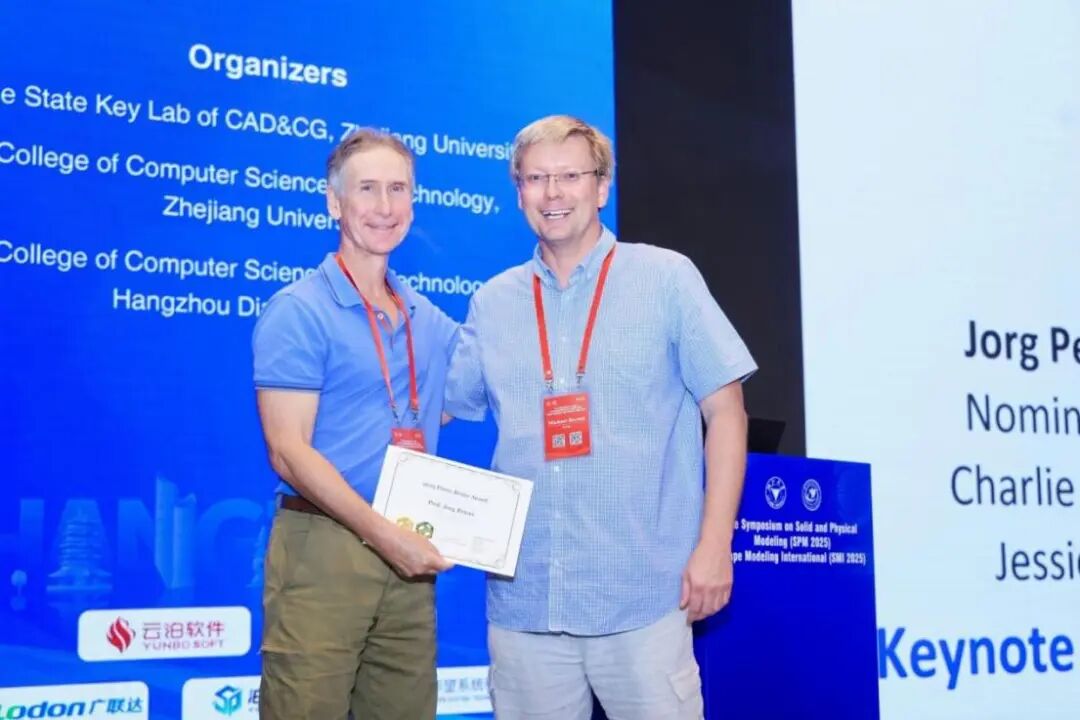
The conference also presented a series of awards: Professor Jorg Peters from the University of Florida, USA, received this year's Bézier Award; Professor Falai Chen from the University of Science and Technology of China and Professor Charlie C. L. Wang from The University of Manchester were elected as Fellows of the Solid Modeling Association (SMA); Chiara Romanengo from CNR-IMATI, Italy, received the Young Researcher Award; and Researcher Yang Liu from Microsoft Research Asia was honored with the SMI Service Award.
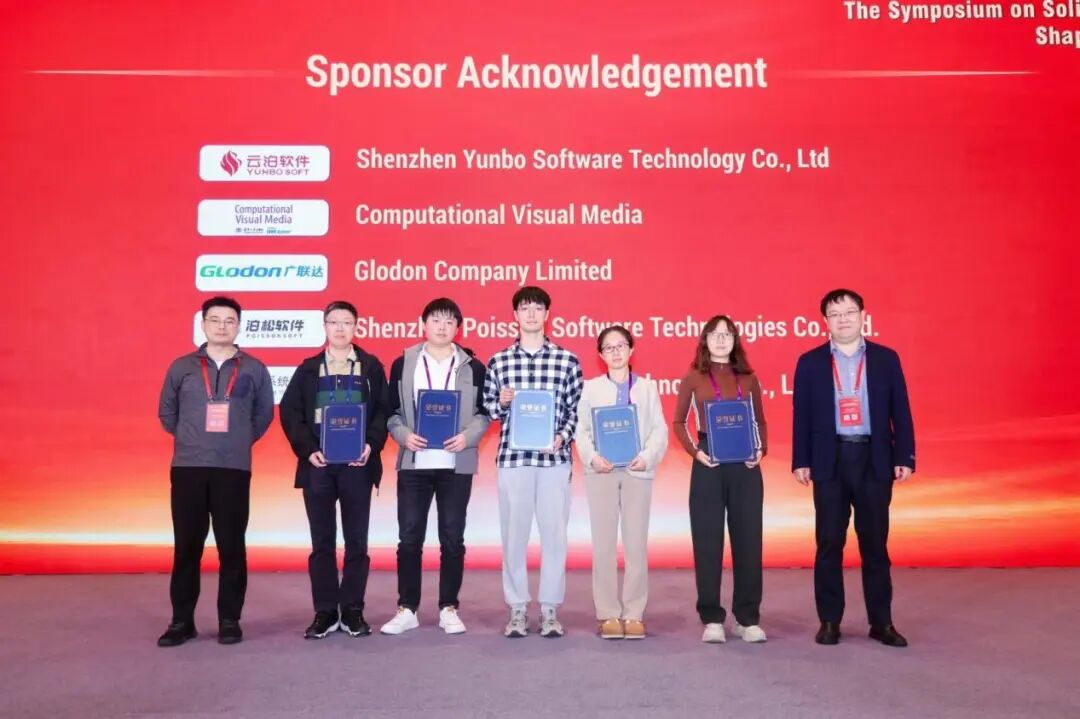
Integrating Industry and Academia to Foster a Collaborative Ecosystem. To promote deeper integration between academia and industry, the conference held a concurrent "High-End Forum on CAD/CAE Industrial Software." The forum invited technical leaders from renowned domestic and international companies, including Shenzhen Poisson Software, Yunbo Software, and Huawei Technology, to share the latest advancements in industrial-grade modeling platforms, simulation engines, and digital manufacturing systems. Discussions also focused on building the domestic industrial software ecosystem and pathways for industry-academia-research collaboration, providing valuable insights for driving industrial upgrading.
The successful hosting of SPM 2025 not only showcased the latest international research achievements in geometric modeling and physical simulation but also reflected China's rapid development and growing international influence in the integration of design, simulation, and manufacturing, as well as in industrial software R&D. The Zhejiang University College of Computer Science and Technology and the State Key Laboratory of Computer-Aided Design and Computer Graphics will continue to collaborate with top global academic partners, focusing on the development and application of key technologies such as geometric modeling, physical simulation, mesh generation, digital manufacturing, and intelligent design. They aim to deepen industry-academia-research integration and support China's strategies for advanced manufacturing and digital transformation.